Blog
When Is Excavation Necessary for Your Yard and What Does It Involve?
Introduction
Most yard problems can be solved with mowing, fertilizing, or basic landscaping. But sometimes, the issue runs deeper — literally.
If water pools after every rain, parts of your lawn feel uneven or sink underfoot, or you’re planning a patio or drainage fix that needs more than surface work, regular lawn care won’t solve it. At that point, excavation may be the only real, long-term solution.
For homeowners in Sedalia, Missouri, this isn’t unusual. Clay-heavy soil and seasonal storms often create drainage and grading issues that require reshaping the ground itself.
So when is excavation actually necessary, and what should you expect during the process? Let’s break it down in plain terms — including costs, steps, and how it impacts your yard.
What Yard Excavation Involves
Excavation simply means removing, moving, or reshaping soil to fix structural or drainage problems in your yard.
It’s not just digging a small hole with a shovel. It usually involves specialized equipment that can safely move larger amounts of soil to create the right slope, level surface, or foundation.
Depending on the project, excavation might include:
Removing excess soil or debris
Leveling uneven ground
Regrading slopes to improve water runoff
Digging trenches for drainage systems
Preparing stable bases for patios or walkways
Removing old roots, stumps, or buried materials
Think of it as correcting what’s happening underground so everything above ground works properly.
Without this step, many lawn or landscape upgrades simply won’t last.
Signs Your Yard May Need Excavation
Not every issue calls for heavy equipment, but certain problems usually point to deeper soil or grading concerns.
Persistent standing water
If puddles stick around long after rain, your yard likely has poor grading or compacted soil that needs reshaping.
Erosion or soil washout
If mulch and soil keep washing away during storms, your slopes may need correction.
Uneven or sunken spots
Low areas that collect water or feel soft underfoot often require soil rebuilding and leveling.
Drainage problems near the foundation
Water collecting near your home can lead to structural damage. Excavation can redirect runoff safely away.
Installing patios or hardscapes
Stable, level bases are required for patios, retaining walls, and walkways. Excavation prepares the ground so these features don’t shift or crack.
If these problems keep coming back, surface fixes alone usually aren’t enough.
Why Excavation Is Common in Sedalia
Local soil and weather conditions make excavation more necessary than many homeowners expect.
Sedalia’s clay-heavy soil tends to:
Drain slowly
Compact easily
Shift after heavy rain
Hold water near the surface
That combination often leads to puddling, root stress, and unstable ground.
Proper grading and drainage adjustments help water move away from problem areas and keep your lawn healthier overall.
What Happens During an Excavation Project
Excavation sounds intimidating, but most residential jobs are focused and efficient rather than disruptive to the whole yard.
Here’s what the process usually looks like.
Step 1 – Site evaluation
The contractor checks slopes, drainage patterns, and soil conditions to determine what needs correction.
Step 2 – Planning and marking
Utilities and work zones are marked to keep everything safe and precise.
Step 3 – Soil movement
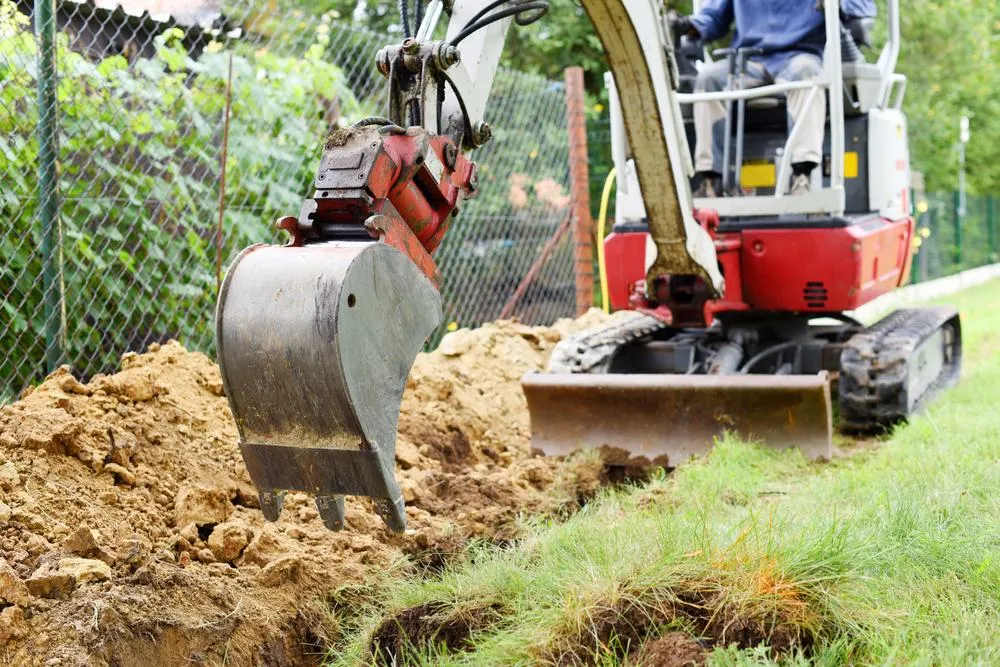
Equipment like mini excavators or skid steers remove or redistribute soil where needed.
Step 4 – Drainage or base installation
Gravel, pipes, or stabilization layers may be added to improve structure and runoff.
Step 5 – Grading and restoration
The area is leveled and prepared for sod, seed, or landscaping.
Most residential projects are completed in one to three days.
Common Yard Projects That Require Excavation
Excavation isn’t just for repairs. It’s often part of improvement projects too.
Situations where it’s typically required include:
Installing French drains
Correcting yard slope or grading
Preparing patios or walkways
Removing large tree stumps
Building retaining walls
Clearing heavily overgrown areas
Leveling for sod or reseeding
In many cases, excavation is simply the prep work that ensures everything else lasts longer.
How Much Does Yard Excavation Cost?
Costs vary based on the size and complexity of the job.
Here’s a general guide for homeowners:
Most smaller residential projects fall between $800 and $2,500.
What Affects the Final Price
Several practical factors influence your estimate:
Size of the area
Soil density or rock content
Equipment access to the yard
Depth of digging required
Debris removal needs
Added drainage or materials
Each of these changes labor time and material costs.
How Excavation Can Save Money Long-Term
While excavation has an upfront cost, it often prevents repeated problems later.
Fixing the underlying issue can help avoid:
Constant reseeding
Ongoing drainage repairs
Foundation water damage
Lawn replacement
Erosion fixes
One properly done project often costs less than years of temporary patches.
FAQs About Yard Excavation
Will excavation damage my entire lawn?
No. Work is usually limited to targeted areas and restored afterward.
How long does it take?
Most residential projects take one to three days.
Is it messy?
There’s temporary disruption, but the area is graded and cleaned before completion.
Can excavation permanently fix drainage?
Yes. Proper grading and drainage solutions provide lasting improvements.
Do all landscaping projects need excavation?
Only those involving grading, drainage, or structural prep.
Conclusion
Excavation becomes necessary when surface-level lawn care can’t solve deeper issues like poor drainage, unstable soil, or uneven ground. While it may seem like a bigger project, correcting the foundation often prevents years of recurring problems and repair costs.
If you’re planning improvements around Sedalia, working with a local team familiar with Missouri’s soil conditions — like Active Lawns of Mid Missouri — can help ensure your yard is properly prepared for long-lasting results.

Our Services
Helpful Links
© 2025 All Rights Reserved | Active Lawns of Mid Missouri
Website Done By: LocalEyes